
Owning a landscape company is one of the lonelier jobs in business, even when your schedule is packed. You have crews to manage, clients to keep happy, and a hundred decisions to make every week. But for most of those decisions, there’s no one around who truly understands what you’re weighing. Your employees are looking

A lot of landscape company owners think about growth in terms of revenue: more clients, bigger contracts, additional crews. Revenue matters. But the companies that grow consistently over five, ten, and fifteen years aren’t just selling more. They’re building better. There’s a structural difference between a business that grows and one that scales, and closing

I was sitting across from a landscape business owner recently when I asked him a direct question: What did his coach actually help him change last year? He paused. Then came the answer I didn’t want to hear: “I’m not sure.” His company had finished the year with margins below what they should have been.
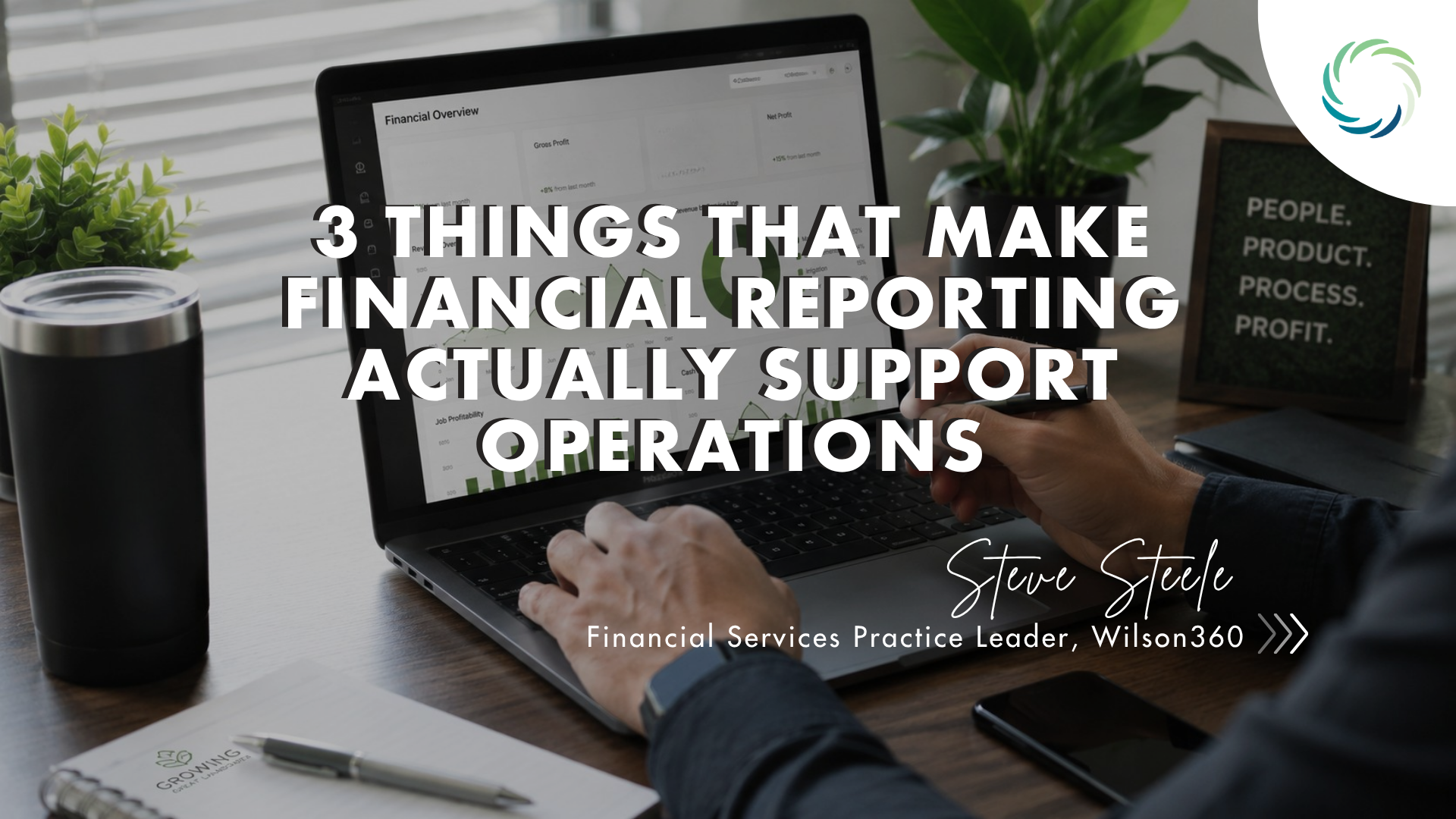
This is the time of year when companies start recasting budgets, reviewing performance and asking whether their reporting is giving them what they need for the season ahead. That is the right exercise. The harder question to answer is this: Is your financial reporting actually helping operations perform better, or is it just producing more information?
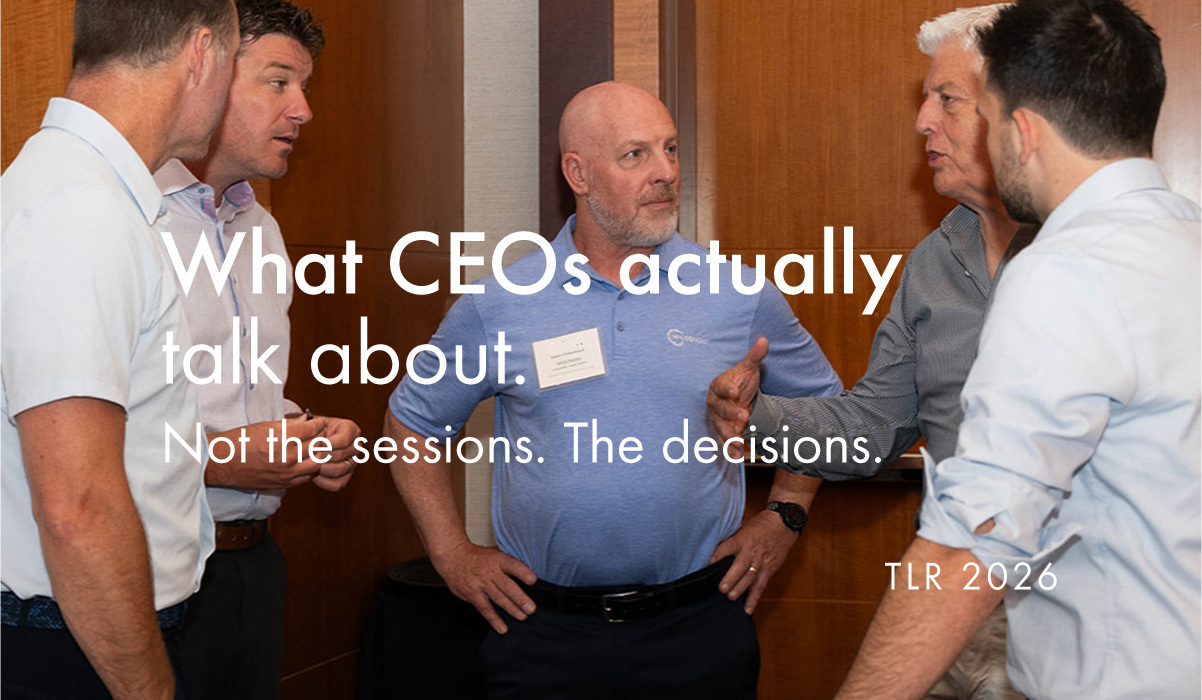
The formal program at TLR matters. Sessions on AI integration, workforce strategy, market positioning, and leadership development. But if you asked attendees what they valued most, most would point to the conversations that happened between sessions. Over breakfast, a CEO from Texas asks a peer from Virginia how they’re handling the labor shortage in a